Vinyl Siding vs. Wood: Why South Shore Homeowners are Switching for Lower Maintenance
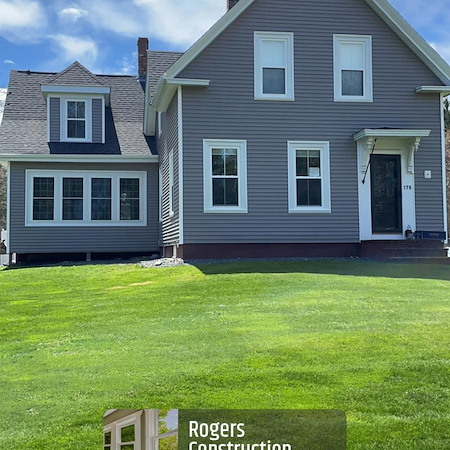
South Shore weather is beautiful but tough on home exteriors. If you live in Stoughton, MA and you’re deciding between vinyl and wood, the choice often comes down to upkeep and how each material handles our freeze-thaw cycles and wind-driven rain. Many homeowners compare options, then choose vinyl siding installation for a cleaner look with far less year‑to‑year maintenance.
What Vinyl Siding Means for Stoughton Homes
Vinyl siding is designed to shed water and stand up to sudden temperature swings that are common from November to March. Panels don’t require scraping or repainting, and color options match Cape, Colonial, and ranch styles found from downtown Stoughton to neighborhoods near Cobb’s Corner. For many busy households, the biggest win is simple: vinyl does not need repainting to stay presentable.
Wood Siding: Beauty That Asks for More Time
Wood has a warm, classic look that fits New England architecture. It can be repaired board by board and accepts custom stains or paint. That charm comes with ongoing care. Wood typically needs regular inspections for peeling paint, soft spots, and insect activity, and it relies on consistent repainting to stay sealed against the weather. If you love the authenticity of cedar shingles or clapboards and don’t mind the effort, wood can still be a great match.
South Shore Weather: How Climate Changes the Math
Our local climate makes maintenance the deciding factor for many families. Wind off the water reaches inland during storms, heavy spring rains find weak spots around trim, and winter freeze-thaw can open hairline gaps in painted wood. Vinyl’s interlocking profiles and moisture resistance make it a popular choice for homes along Route 138, Park Street, and across West and South Stoughton where yards see shade, snow piles, and leaf buildup.
Maintenance: What You’ll Do Less Of With Vinyl
Homeowners often switch to lower maintenance so they can focus on life, not ladders. Here’s what typically changes when you move from wood to vinyl:
- Fewer paint jobs, touch-ups, or spot-priming after storms
- Less time watching for peeling, cupping, or soft wood at the sills
- No scraping or sanding before repainting entire facades
- Simple seasonal rinses to keep siding looking fresh
Curb Appeal Without Constant Upkeep
Modern vinyl profiles include clapboard, Dutch lap, and cedar-style shakes, so you can match the streetscape and still keep cleaning simple. Trim details and color lines complement classic South Shore homes without the cycle of repainting every few years. If you like the layered look of wood but want less maintenance, ask about higher-profile trim and accent walls that echo real cedar while keeping care light.
Resale and Neighborhood Fit in Stoughton
Buyers in Stoughton and nearby towns want homes that look great and won’t surprise them with upkeep. Vinyl’s clean lines and color stability help your home show well in listing photos and at open houses. If you live near older homes with historic character, selective choices can strike a balance. Use wood on a small feature gable or porch while cladding the main body in vinyl for a durable, blended look.
Installation Quality Matters More Than Brand Labels
Whatever you choose, performance starts with the crew. Proper flashing at windows and doors, careful housewrap, and ventilated details are what keep water out long term. That is why many homeowners read a quick primer like what to expect from your contractor before they sign. A well-prepared wall and correct fastener spacing help vinyl stay secure in storm gusts and help wood avoid premature paint failure.
When It Still Makes Sense to Keep Wood
There are times when wood is the right call. If you have a distinctive façade or you’re preserving a traditional detail you love, wood may be worth the added care. Some owners also choose wood on street-facing elevations and vinyl on less visible sides to reduce maintenance while keeping a hand-finished look where it matters most.
- Choose wood if custom profiles or exact historical details are your top priority
- Consider vinyl on weather-battered sides for a lower‑maintenance blend
Budget and Timing Without Guesswork
Project timelines vary by home size, material, and season. Instead of juggling contractor jargon, talk through your goals, your home’s exposure to wind and shade, and which trim pieces need replacement. Clear scope and documented installation steps prevent surprises and help your investment last.
Local Examples You Can Picture
Think about a Cape near Ames Pond that sees steady shade. Painted clapboards may stay damp longer after storms, which speeds up paint wear. In that setting, vinyl often provides steadier curb appeal with less upkeep, especially around lower walls where splashback is common. A Colonial with wide eaves on a sunny street might do fine with wood if repainting stays on schedule and water is managed at the trim.
Why Many Stoughton Owners Choose Vinyl
For a lot of households, the decision is simple: less time on ladders, more predictable upkeep, and stable curb appeal through long winters. If that sounds right for you, explore options and profiles on our vinyl siding installation page, then compare color lines to match your home’s style. You can also learn how our team plans site protection, staging, and cleanup so the project moves smoothly on tight neighborhood lots.
Talk With the Team That Works Where You Live
When you’re ready to weigh your options, start with a quick call to 508-326-0640. You can browse our services and get in touch through our home base for vinyl siding and exterior upgrades on the South Shore. If you have questions about trim, color, or how siding ties into gutters and windows, we’ll map the details so you feel confident before any work begins.